- Shabbir Ali seeks extension for uploading Telangana waqf property details on Umeed portal
Hyderabad, December 3: Advisor to Telangana Government (SC, ST, OBC & Minorities) Mohammed Ali Shabbir on Wednesday appealed to the Centre to extend the deadline for uploading Telangana’s waqf property details on the Union government’s Umeed portal, which is scheduled to close on December 5. He demanded an extension of one year or at least six months, stating that thousands of institutions were under pressure due to technical delays, poor communication at the village level, and widespread anxiety among custodians.
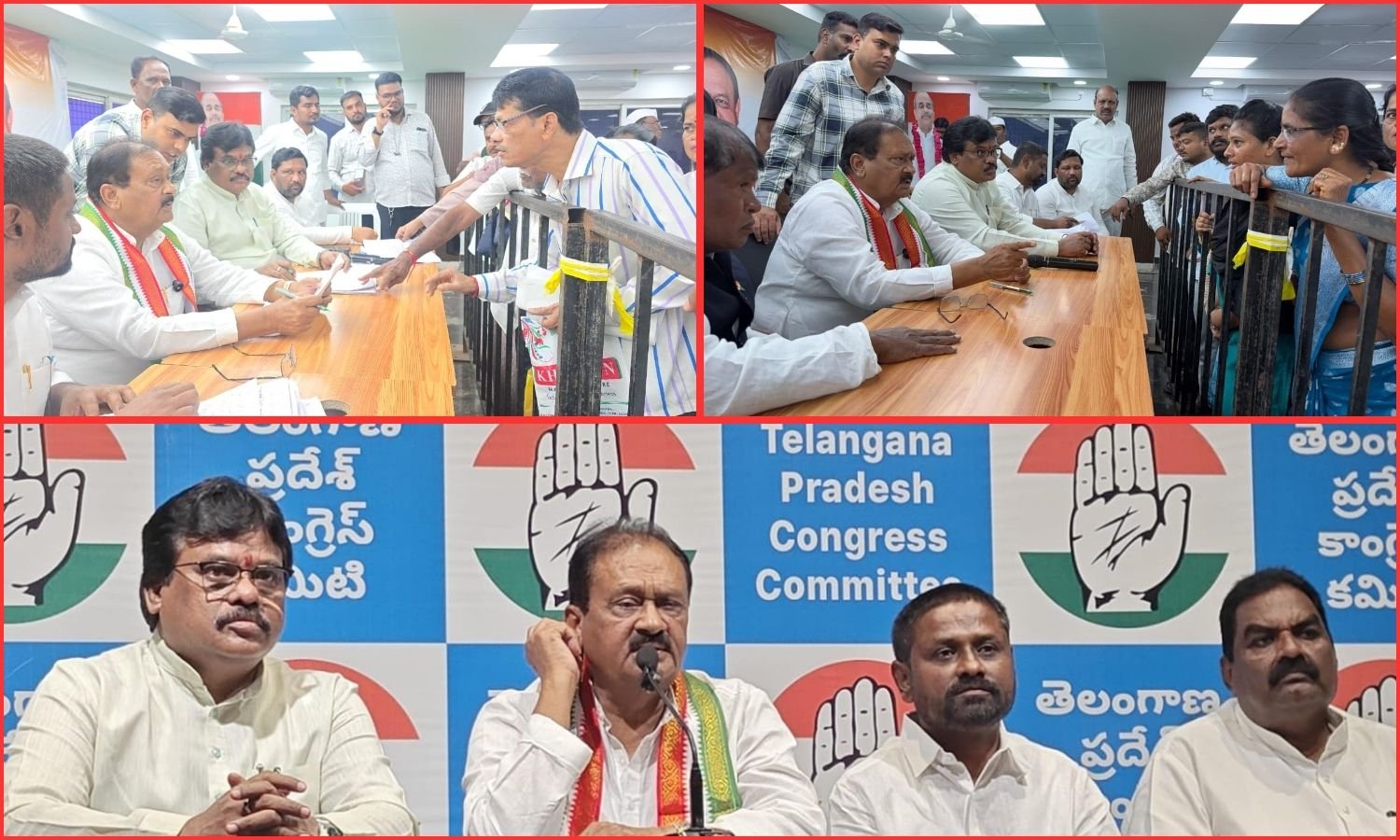
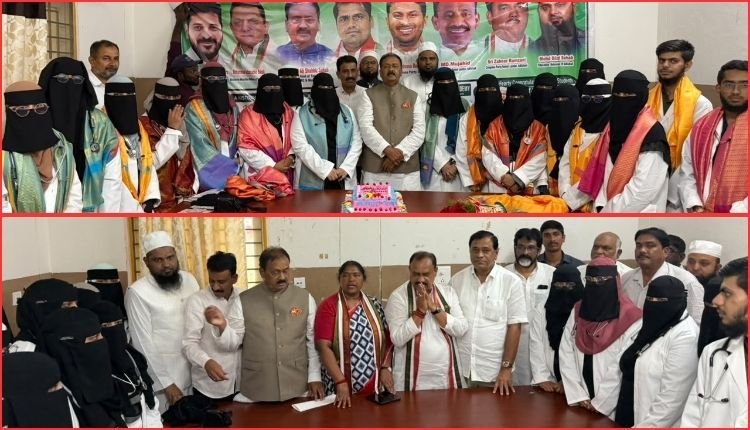
Addressing a press conference in Kamareddy, Shabbir Ali said many mosque committees and custodians did not receive timely information about the portal requirements, leaving them confused in the final days of the deadline. He noted that messages did not reach several villages and towns properly, causing concern among mosque managements, madrasa committees, and other waqf-linked institutions.
Shabbir Ali said he had coordinated with officials from the Waqf Board, the Revenue Department, and municipal authorities to assist local mosque committees in completing the task. In Kamareddy, he arranged three computers and sought the help of Waqf inspectors from Hyderabad and Nizamabad to support the data entry process at the local level. “People were anxious because the portal frequently went down. As soon as the server opened, teams began working, but there is not enough time to complete the details of all institutions,” he said.
He added that mosques and madrasas feared that their properties might not reflect on the portal if the deadline was not extended. “People are worried whether their mosques will remain registered if the entries are not uploaded in time. To remove this fear, the Union government must grant an extension of at least six months, preferably one year,” he said.
Shabbir Ali said he had repeatedly taken up the matter with Chief Minister A. Revanth Reddy and Telangana’s MPs, urging them to seek additional time from the Centre. He recalled that there was confusion among officials on how the matter should be addressed, with different departments suggesting separate procedures. After multiple rounds of discussions, the chief minister’s letter requesting an extension was finalised and sent to Prime Minister Narendra Modi. Copies were also shared with the Ministry of Minority Affairs and MPs, urging them to raise the issue in Parliament.
He noted that with only two days left before the closure of the portal, several waqf institutions were attempting to upload basic entries even if their supporting documents were incomplete. “Many institutions were advised to at least enter their mosque name and preliminary details so that the property appears in the initial list. The rest of the documents can be updated later,” he said. Shabbir Ali also mentioned that some of the mosques under his own constituency had not yet completed the process due to the short notice and ongoing verification requirements.
He underlined that historical reasons contributed to the current delays, as many waqf properties were created over decades without proper paperwork or formal registration. “Earlier, many mosque committees did not collect or preserve documents from donors, buyers, or local authorities. These gaps cannot be rectified in two days. This is why we need more time,” he said, describing the process as essential to safeguarding community assets.
Shabbir Ali emphasised that India’s constitutional and legal framework provided the freedom to establish places of worship without excessive procedural hurdles, unlike several other countries. He said this legacy placed greater responsibility on institutions to correct old records and ensure accuracy in the national database.
The background to his appeal includes Chief Minister Revanth Reddy’s letter sent to the Prime Minister seeking a one-year extension. The chief minister said the additional time was crucial for error-free documentation, especially because the portal had faced repeated technical glitches. Although launched on June 6, the Umeed portal continued to experience interruptions, and the list of mandals from Telangana became available only on October 6 after repeated requests.
Revanth Reddy highlighted three major challenges: the lack of digital skills among mutawallis, the scattered nature of century-old waqf records across the archives and revenue departments, and the need to verify their authenticity. He said several sajjada nasheens and mutawallis were still gathering title, survey, and revenue documents, and required more time to upload them.
The chief minister said the Telangana government fully supported accurate, transparent documentation of waqf lands and urged the Centre to consider an extension to uphold the integrity of the national database.
Shabbir Ali said the state government and community institutions were doing everything possible within the available time, but the process could not be completed without additional support from the Union government. He reiterated that the extension was essential to prevent errors, reduce anxiety among custodians, and ensure that every waqf property in the state was recorded properly on the Umeed portal. (eom)