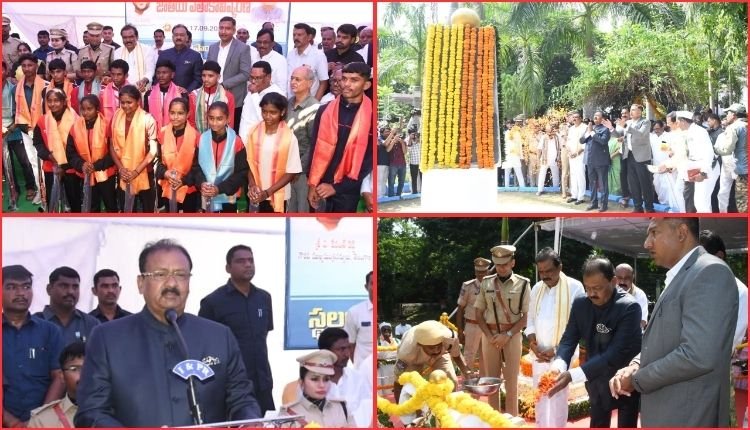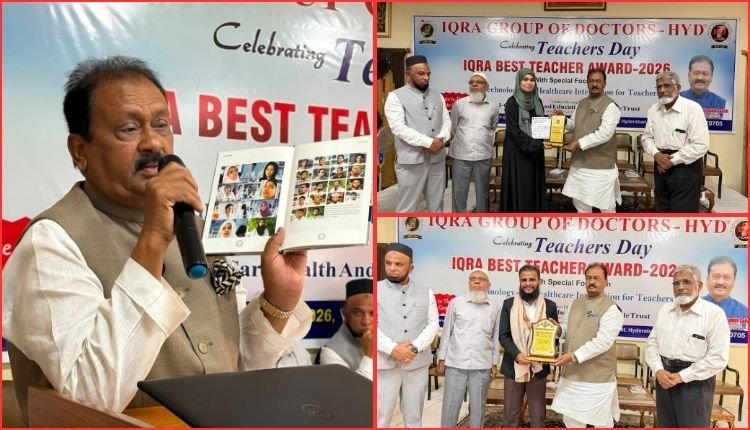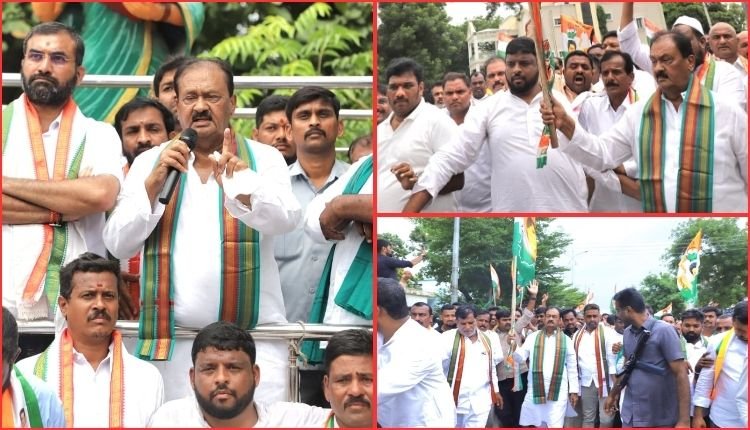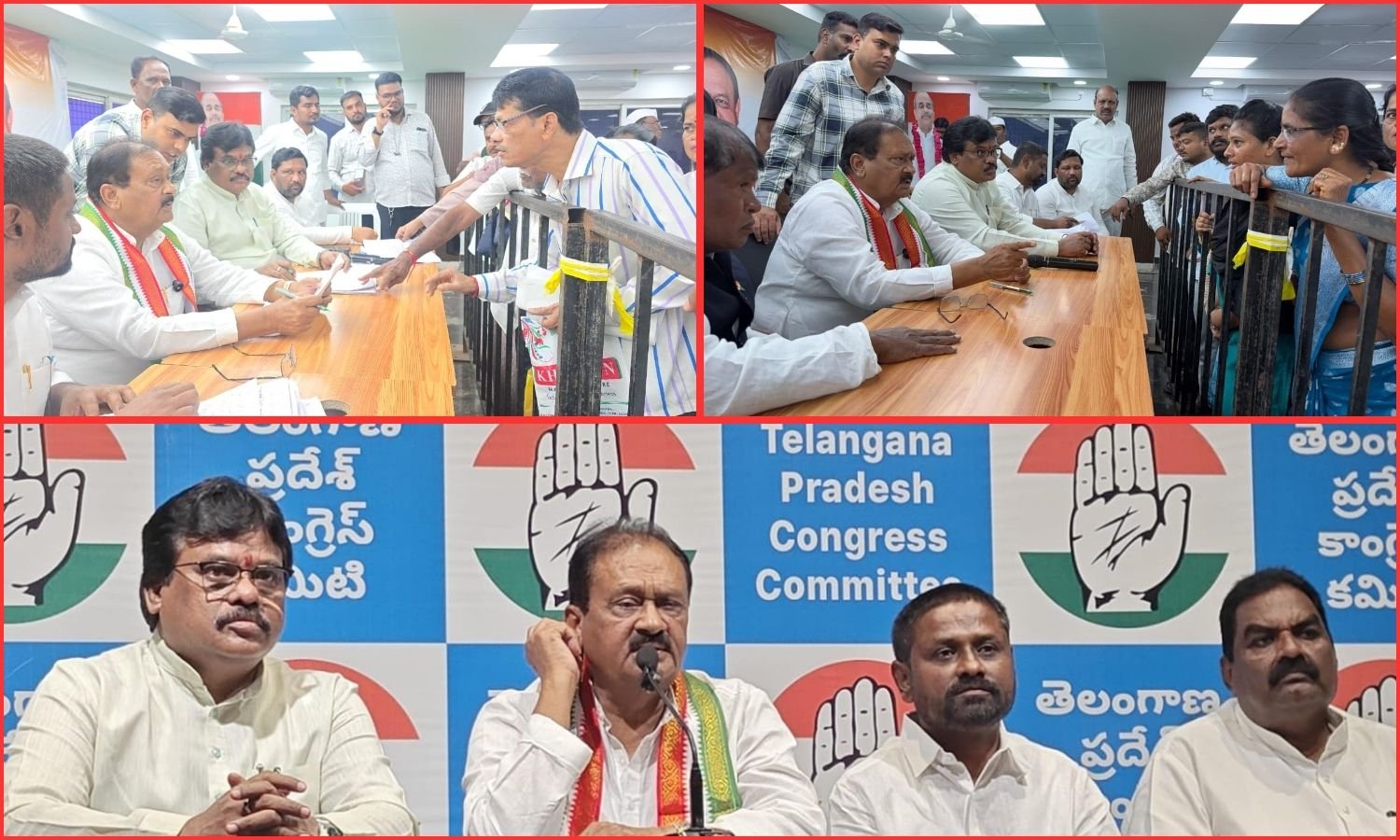
Kamareddy, January 13: In a sharp and wide-ranging address at the Khatm-e-Nabuwwath Conference held in Kamareddy on Tuesday, Telangana Government Adviser Mohammed Ali Shabbir launched a scathing attack on the BJP-led central government over what he called the “targeted and unjust” derecognition of the Shri Mata Vaishno Devi Institute of Medical Excellence (SMVDIME) in Jammu & Kashmir. He alleged that the move reflected a dangerous institutional bias aimed at curbing Muslim educational advancement.
Referring to the 7 January decision by the National Medical Commission (NMC) to revoke recognition of the MBBS programme at SMVDIME, Shabbir Ali said, “This is not an issue of infrastructure. This is a direct response to the fact that 42 out of 50 students admitted were Muslim. When merit did not suit their narrative, they found a technical excuse to shut the door on our children’s future.”
The controversy began in November 2025, after SMVDIME, affiliated with Shri Mata Vaishno Devi University and funded by the Shrine Board, released its first MBBS merit list. Of the 50 students admitted through NEET-based counselling by the J&K Board of Professional Entrance Examinations (JKBOPEE), 42 were Muslims, seven Hindus, and one Sikh. The admissions strictly followed merit guidelines, a fact confirmed by the authorities.
However, the demographic composition triggered protests by right-wing groups, including the Vishva Hindu Parishad and Bajrang Dal, who argued that the institution, being funded by Hindu pilgrims’ donations, should prioritise Hindu students. Shabbir Ali condemned this demand, stating, “You cannot ask for religious reservation in a government-recognised institution under the guise of shrine funding. This undermines the Constitution and insults the very principle of equal opportunity.”
He accused the NMC of acting under political pressure. “They could not reject the merit list legally, so they claimed the college lacked infrastructure. Conveniently, this inspection and cancellation came right after the protests. Is the timing not telling?” he asked.
Shabbir Ali linked the SMVDIME incident to a broader pattern of policies aimed at targeting Muslims. “First it was NRC, then the CAA, now it is the Umeed Portal. Every few months, there is a new mechanism to trap, marginalise or monitor Muslims. It is no longer just discrimination – it is systemic exclusion,” he warned.
He cautioned the audience about the implications of the Umeed Portal, a government mechanism to register and verify Waqf and other minority properties. “Many of us have not understood its real intent yet. They are gathering data – next, they will control and restrict what we do with our own lands, masjids, and graveyards,” he said.

‘Don’t be silent – prepare, participate and protect your rights’
While calling for awareness and resistance, Shabbir Ali urged the Muslim community to invest more in deen (faith) and taʿlīm (education), especially in rural areas. He praised the Tahaffuz-e-Khatm-e-Nabuwwath Trust for its grassroots efforts to employ imams in villages and establish religious learning centres. “You are giving our children the strength to hold on to their faith in an increasingly hostile environment. Double your donations. Support this mission. This is not just charity – it is protection,” he told attendees.
He shared a religious anecdote about accountability on the Day of Judgement, emphasising that wealth and titles would not matter – only one’s actions. “A poor man who had no means to do wrong would be questioned less than a doctor, professor, or businessman who misused their power. Prepare yourself before that final reckoning,” he said.
Shabbir Ali also reflected on his past efforts in Kamareddy, especially in setting up a graveyard over 2.5 acres of land that was bought for ₹1.33 lakh in the 1990s and now serves as a key community facility. “Even during COVID-19, we had eight to ten graves ready in advance, because the system gave only half an hour for burial. We served the people when no one else was ready,” he recalled.
He proposed building funeral facilities – ghusl khanas, janāzah halls, and transport systems – adjacent to mosques, especially in high-density urban areas. Citing successful models from Banjara Hills, he said, “We need to think ahead. Flats are cramped, families are mixed, logistics are difficult. Having proper funeral infrastructure next to mosques will help families during the most difficult hours.”
He added that these initiatives must be led by trained professionals. “Let teachers teach, doctors treat, and ʿulamāʾ lead in religious matters. Not everyone can or should do everything. Delegate, organise, and empower.”
Speaking briefly on name-changing campaigns and communal distractions ahead of elections, Shabbir Ali questioned the logic. “They want to change names of cities like Nizamabad. I ask – will changing a name fix unemployment or improve education? No. This is just to provoke and divide,” he said.
He credited the Congress governments in Telangana and Karnataka for safeguarding minority rights. “We can still build mosques, register Waqf lands, and protect our institutions because the Constitution gives us these rights – and some governments still respect it. This is not a favour; it is our right,” he declared.
Shabbir Ali closed his speech by praising religious leaders and volunteers working in rural Telangana to preserve Islamic education. “You are doing work that even governments cannot. Keep going, and may Allah bless your efforts. We all must stand by you,” he said, extending heartfelt gratitude to Maulana Shah Jamal-ur-Rahman and others for attending the conference.
“Today, more than ever, we must stay united, stay informed, and support one another – not just in prayer, but in practical, meaningful action,” he said.
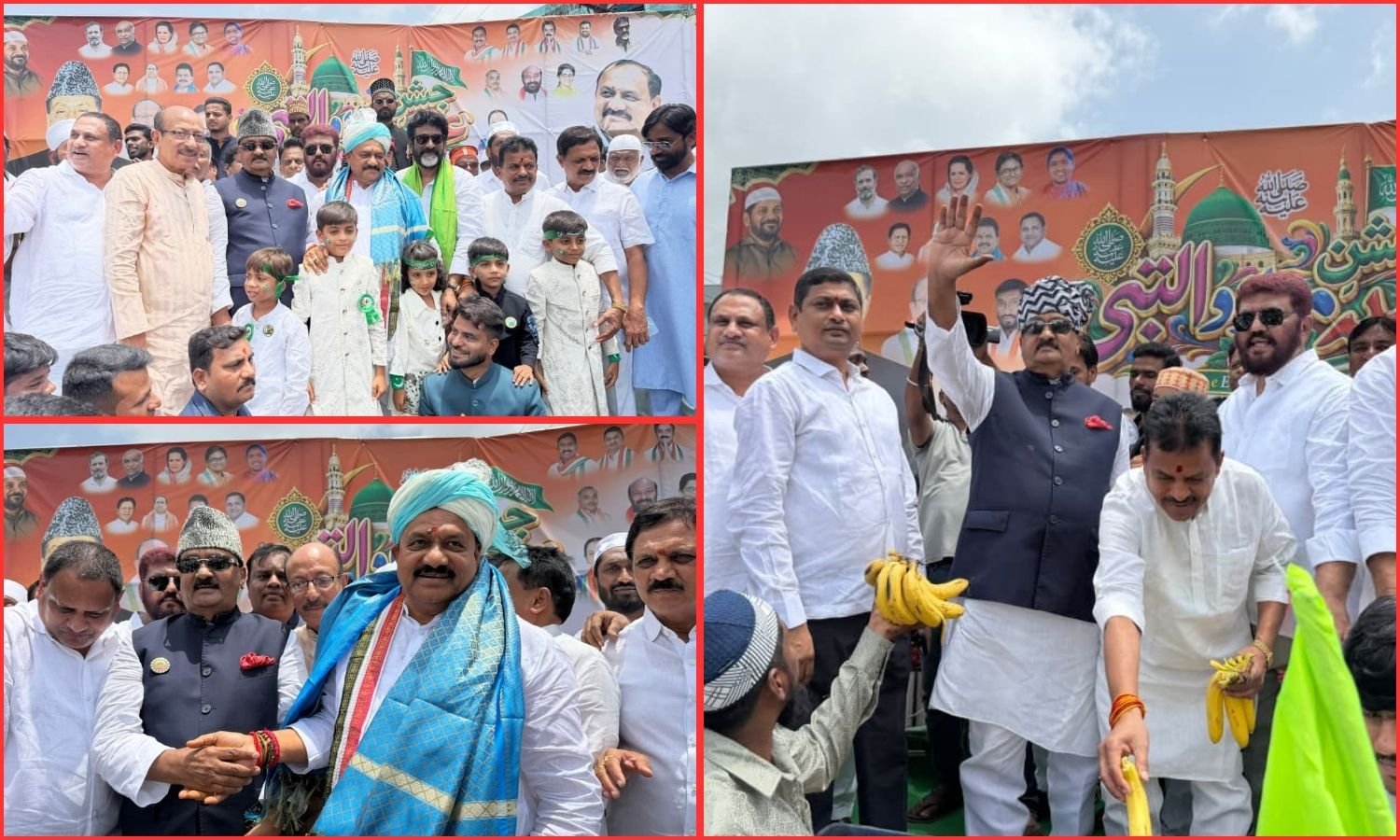
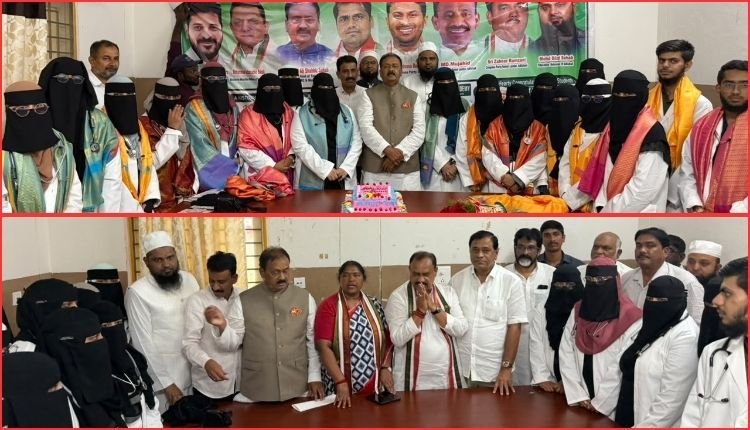
Earlier in the day, Shabbir Ali, along with Trust Chairman Maulana Shah Jamal-ur-Rahman, formally inaugurated the newly constructed Masjid-e-Abbas, adjacent to the community graveyard. The occasion marked the 26th Annual Celebration of the Tahaffuz-e-Khatm-e-Nabuwwath Educational & Charitable Trust, known for its work in religious education, social service, and support to underprivileged students across Telangana.
Other speakers, including Mufti Maulana Abrar-ul-Hasan and Maulana Shah Jamal-ur-Rahman, reiterated the Trust’s vision to safeguard faith, promote education, and expand charitable outreach in the coming years. The event witnessed the participation of several Islamic scholars, former public representatives, and hundreds of community members. (eom)