Conference adopts eight-point declaration on SIR, constitutional rights, social justice and minority concerns
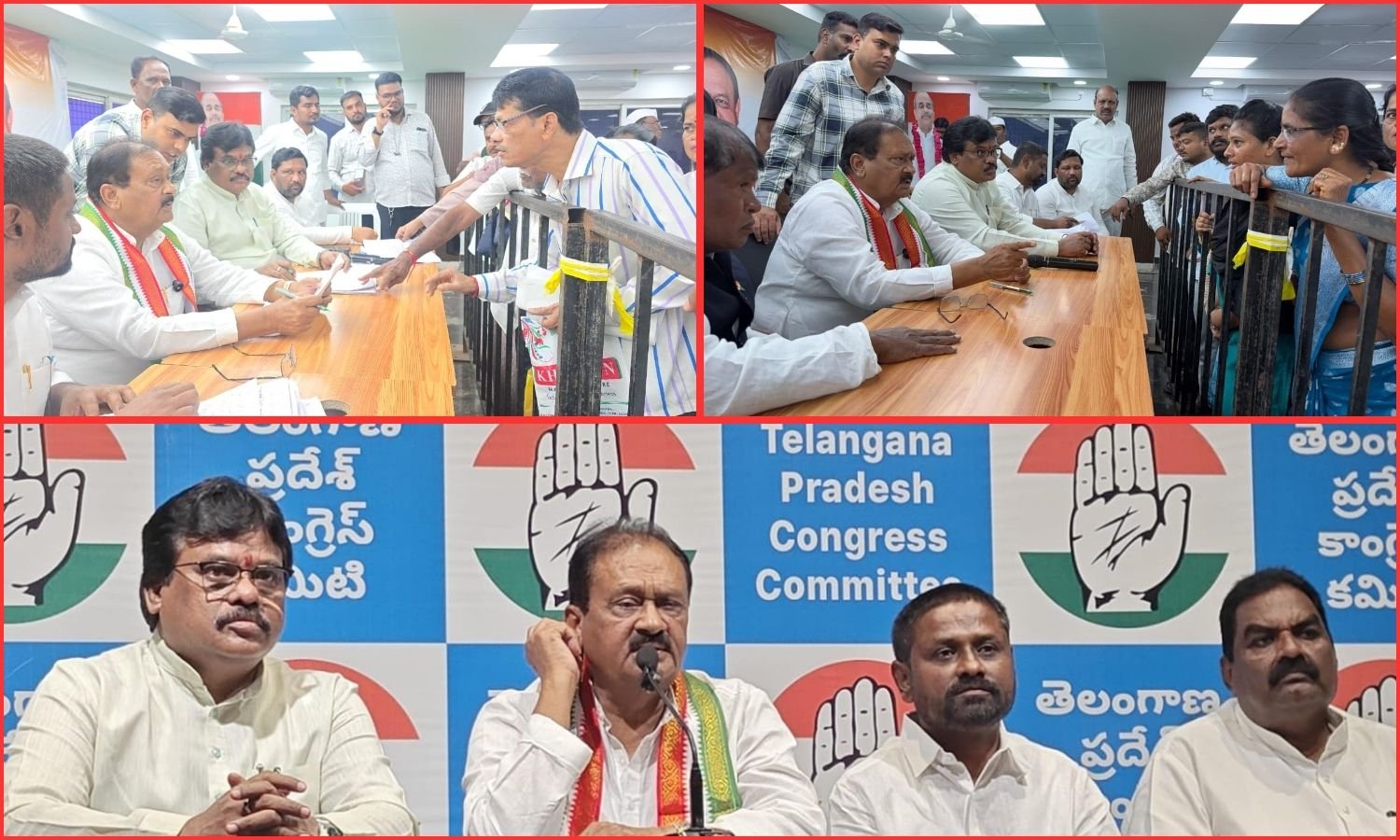
New Delhi/Hyderabad, July 25: Telangana Government Advisor Mohammed Ali Shabbir on Saturday called for a united struggle to defend the constitutional and democratic rights of all vulnerable sections, saying the issues arising from the Special Intensive Revision (SIR) of electoral rolls were affecting not only Muslims but also members of other communities.
Speaking at a press conference organised to announce the “New Delhi Declaration on Assertion of Rights of Muslims in India” which was passed during the ‘National consultation on the current situation of Indian Muslims’ at the Constitution Club, New Delhi, Shabbir Ali said the fight against injustice must be collective and inclusive. The declaration was unanimously adopted at the National Consultative Meeting of Muslim leaders and intellectuals held at the Constitution Club of India on July 24.
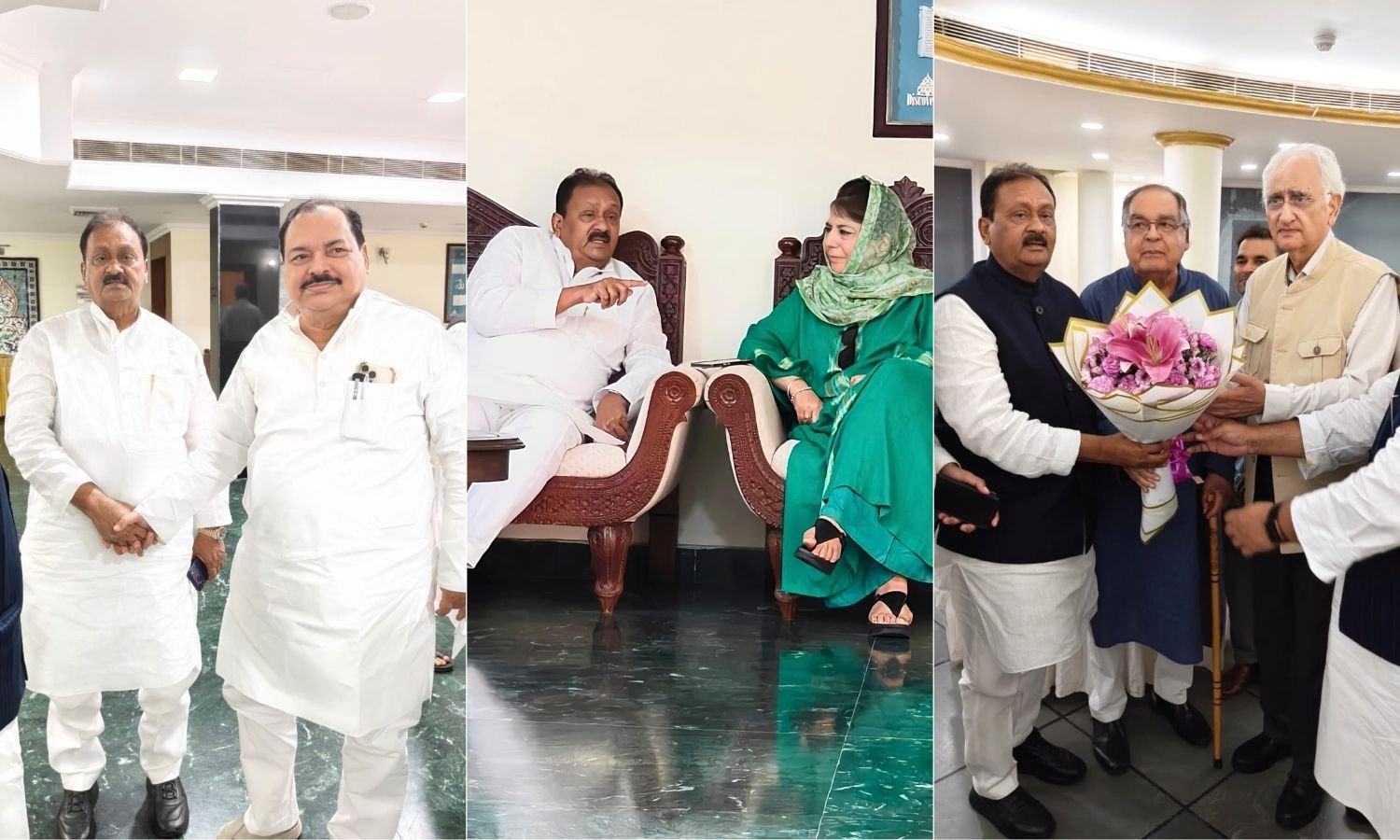
The national consultation was attended by former Jammu and Kashmir Chief Minister Mehbooba Mufti, former Rajya Sabha member Mohammad Adeeb, former Union External Affairs Minister Salman Khurshid, Shabbir Ali and several eminent personalities, legal experts, scholars and representatives of the Muslim community.
Shabbir Ali said religious scholars, Dalit leaders and representatives of various communities had come together to deliberate on issues affecting weaker sections. He said the objective was not to confine the campaign to Muslims but to protect the constitutional rights of every citizen facing discrimination or injustice.
“This is not merely a fight for Muslims. It is a fight for Dalits, Sikhs, Christians and every weaker section. Whenever injustice is committed against any citizen, we must stand together to defend constitutional rights,” he said.
Referring to the SIR exercise, he alleged that names of both Muslims and non-Muslims were being deleted from electoral rolls and said every eligible voter deserved assistance irrespective of religion or caste.
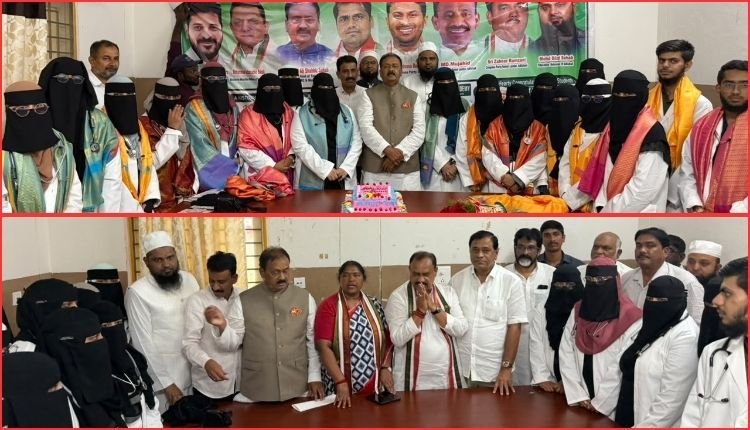
Shabbir Ali said the Congress had established assistance centres across Telangana to help people complete electoral forms and documentation. He clarified that these centres were open to all citizens and were not meant exclusively for Muslims.
“We have never restricted our assistance to one community. Anyone facing problems in the SIR process can approach these centres. We will help every eligible citizen without discrimination,” he said.
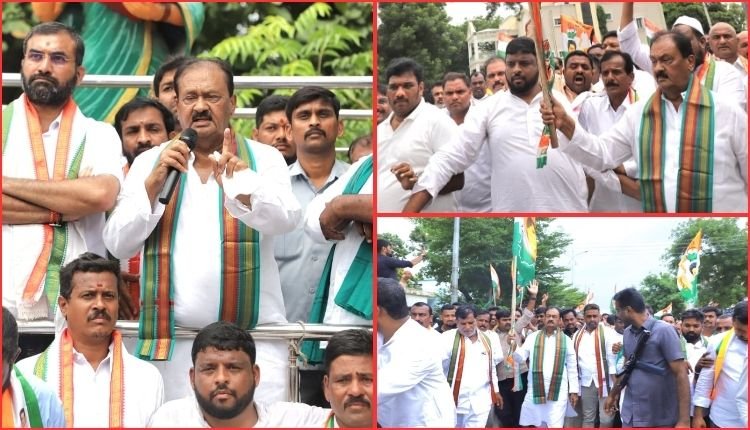
Recalling his recent detention during a protest over issues concerning students, Shabbir Ali said he had spent several hours in a police station despite serving as an Advisor to the Telangana Government. He said such actions would not discourage democratic voices from raising concerns affecting students, weaker sections and constitutional institutions. He said India’s freedom struggle had been won through the collective sacrifices of people belonging to all communities and that the same spirit of unity was required to defend democracy, social justice and the Constitution.
The declaration adopted at the National Consultative Meeting contained eight resolutions addressing issues relating to constitutional rights, democratic institutions and minority concerns.
The conference condemned the alleged use of excessive force by Delhi Police against students protesting over examination paper leaks and demanded an independent, time-bound judicial inquiry and registration of FIRs against those responsible. It also expressed solidarity with students seeking accountability and reforms in the education system.
The declaration resolved to strengthen solidarity among different communities based on the shared legacy of India’s freedom struggle, constitutional values and fraternity, while calling for collective action against injustice affecting any section of society.
It also condemned the demolition order issued against buildings of Maulana Mohammad Ali Jauhar University in Rampur, describing it as discriminatory and contrary to constitutional protections available to minority educational institutions. The conference demanded withdrawal of the demolition order and reconsideration of the matter under the applicable regularisation policy.
The declaration criticised the demolition and sealing of mosques and dargahs under the pretext of encroachment, called for an immediate halt to such actions and sought an independent review of demolitions already carried out.
The conference also demanded the immediate restoration of full statehood to Jammu and Kashmir, citing the assurance recorded before the Supreme Court during proceedings relating to Article 370.
On the Uniform Civil Code, the declaration maintained that any law compelling communities to abandon their religious practices would violate the constitutional guarantees of freedom of religion and conscience, and resolved to oppose such measures through constitutional and legal means.
Another resolution condemned online and offline harassment of Muslim women, including organised campaigns targeting them, and called for strict action against those responsible while emphasising women’s freedom to dress, express themselves and participate fully in educational and community life.
The final resolution rejected the treatment of Muslims as a “captive vote bank”, urged political parties to clearly state their position on issues affecting the community, and resolved to constitute a 51-member Monitoring Committee to pursue constitutional, legal and political remedies concerning the rights of Indian Muslims. The declaration also stated that copies of the resolutions would be sent to the President of India, the Prime Minister, the Chief Justice of India, Presiding Officers of Parliament and State Legislatures, and all recognised political parties. (eom)