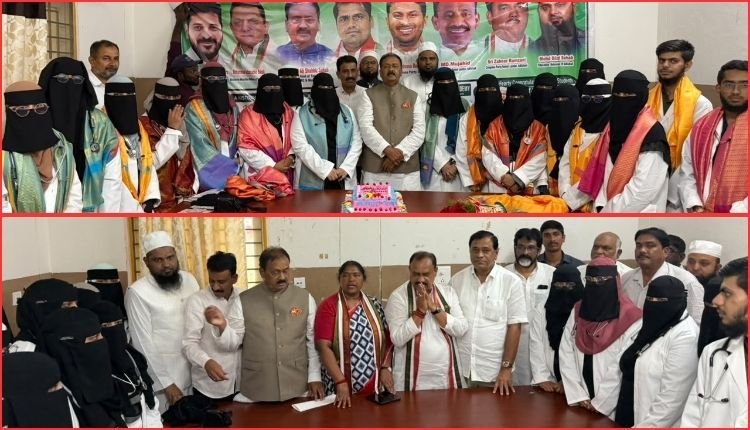
- Govt Advisor points to growing presence in medicine, teaching and professional courses; urges families to focus on education and discipline
Hyderabad, September 6: Advisor to the Telangana Government Mohammed Ali Shabbir on Sunday said sustained access to education and the 4% reservation for socially and educationally backward Muslims had begun to produce a generational transformation, with Muslim youth increasingly entering medicine, engineering, teaching, law and other professional fields.
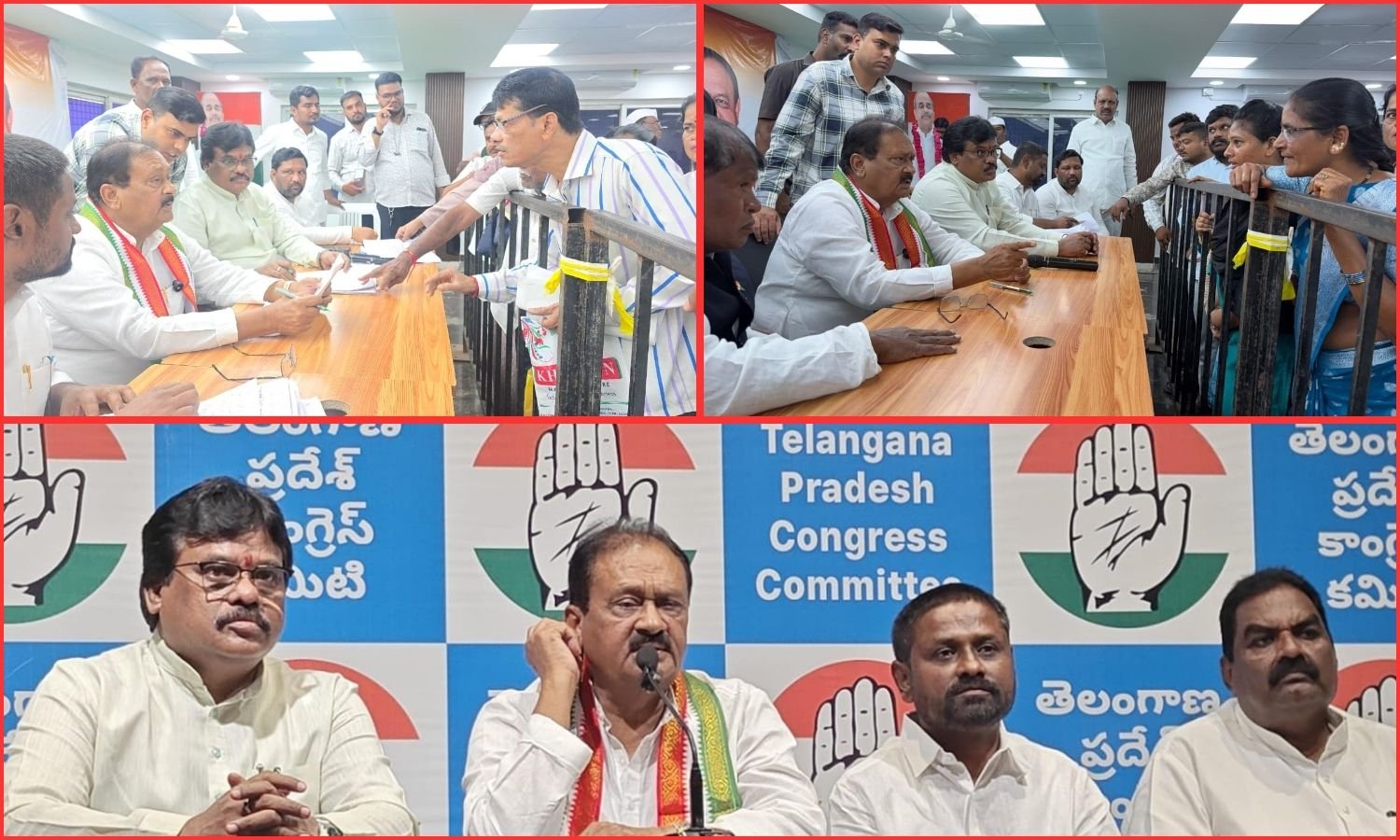
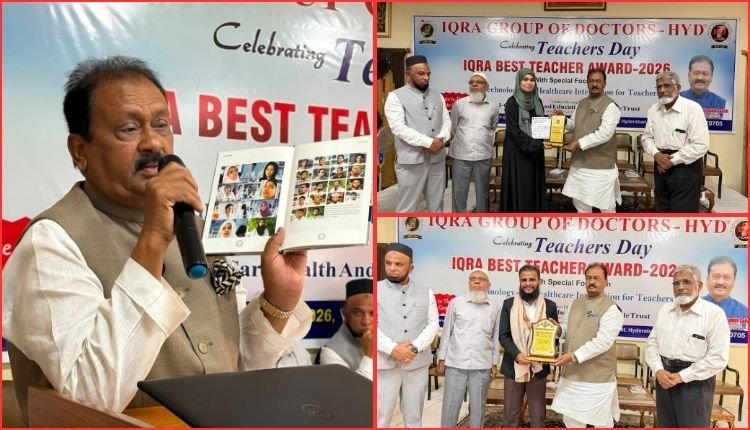
Addressing the Teachers’ Day celebrations organised by the Iqra Group of Doctors-Hyderabad at MESCO Auditorium, Malakpet, Shabbir Ali said the community must build on these gains by prioritising quality education, recognising teachers and institution-builders, and ensuring greater discipline among students.
Participating as chief guest, he presented the Iqra Best Teacher Award 2026 and praised the contribution of Dr Mateen and the late Dr Fakhruddin. He said communities often failed to adequately acknowledge people who devoted themselves to education and public service and urged younger generations to carry forward their work.
Referring to the name “Iqra”, Shabbir Ali said the first Quranic revelation itself emphasised reading and learning, but the community had fallen behind educationally. He recalled that, before entering government, he would visit hospitals and look for Muslim names on doctors’ boards, often finding very few. That experience, he said, strengthened his conviction that Muslims needed greater access to professional education.
He said his campaign for reservation initially faced opposition even from within the community, with some arguing that classification for affirmative action was inconsistent with equality. To establish the socio-economic backwardness of various occupational groups, he said he documented the lives of 22 Muslim communities engaged in occupations such as fishing, barbering, butchery, washing clothes and other traditional trades and presented the material before the then Y.S. Rajasekhara Reddy government.
Recalling one such visit to a Muslim fishing village near Sriharikota in Nellore district, he described families living in severe poverty despite working long hours at sea. He said such conditions demonstrated why disadvantaged sections required targeted educational support rather than merely formal equality.
Shabbir Ali claimed that around 22 lakh students in the erstwhile Andhra Pradesh and the two successor States had benefited over the years through access to higher and professional education under the reservation policy. He also referred to a report which, he said, showed the Telugu States performing strongly in higher professional education, while Kerala remained ahead at the foundational level.
Citing the recent recruitment of around 11,000 teachers in Telangana, he said nearly 1,100 Muslim candidates were selected, although the 4% reservation alone would have accounted for roughly 400 posts. He said the figure showed that Muslim candidates were increasingly succeeding on merit and in categories beyond their reserved quota.
He said educational backwardness accumulated over generations could not be overcome instantly. Students coming from Urdu-medium and government schools had historically competed with those whose families had access to better educational institutions for decades, he said, adding that one generation of sustained support was necessary before outcomes could be fairly compared.
Pointing to progress in the medical field, Shabbir Ali cited young Muslim women specialists who had become sought-after by major government hospitals. He referred to Dr Asma Jabeen, a neurosurgeon who, he said, had secured five gold medals, and another highly qualified woman specialist, saying Gandhi Hospital, Osmania and NIMS were competing to retain such meritorious doctors.
He also highlighted the growing academic performance of girls. Referring to medical admissions, he said women substantially outnumbered men among successful candidates, while similar trends were emerging in engineering and law. He urged families to pay greater attention to boys’ education and discipline as well.
Shabbir Ali advised young people to avoid unnecessary late-night activity, maintain regular routines and combine opportunity with hard work. He also appealed to the community to care for neighbours and people of other faiths, avoid social divisions and contribute as responsible citizens.
Responding to proposals raised by the organisers, he supported expanding nursing education, strengthening the library and exploring courses in hospital management and law. He assured assistance in pursuing viable proposals with the government but said detailed plans would be necessary.
Shabbir Ali also cited the performance of Muslim candidates in Group-I and other competitive examinations and referred to girls from economically weaker families in Kamareddy securing exceptionally high Intermediate marks and State-level ranks. He said such achievements demonstrated the potential of students when educational opportunities were made available.
Concluding, he assured the Iqra Group of his support in carrying forward the educational mission associated with the late Dr Fakhruddin and said the next priority should be expanding access to quality education and professional opportunities. (eom)